The Woman Who Had to Pretend She Was a Man
How Sophie Germain overcame impossible barriers to transform mathematics.
Sophie Germain pursued mathematics at a time when women were barred from formal scientific education. Teaching herself from borrowed lecture notes, she adopted the male identity ‘Monsieur LeBlanc’ to exchange ideas with Europe’s leading…
▶ Watch Documentary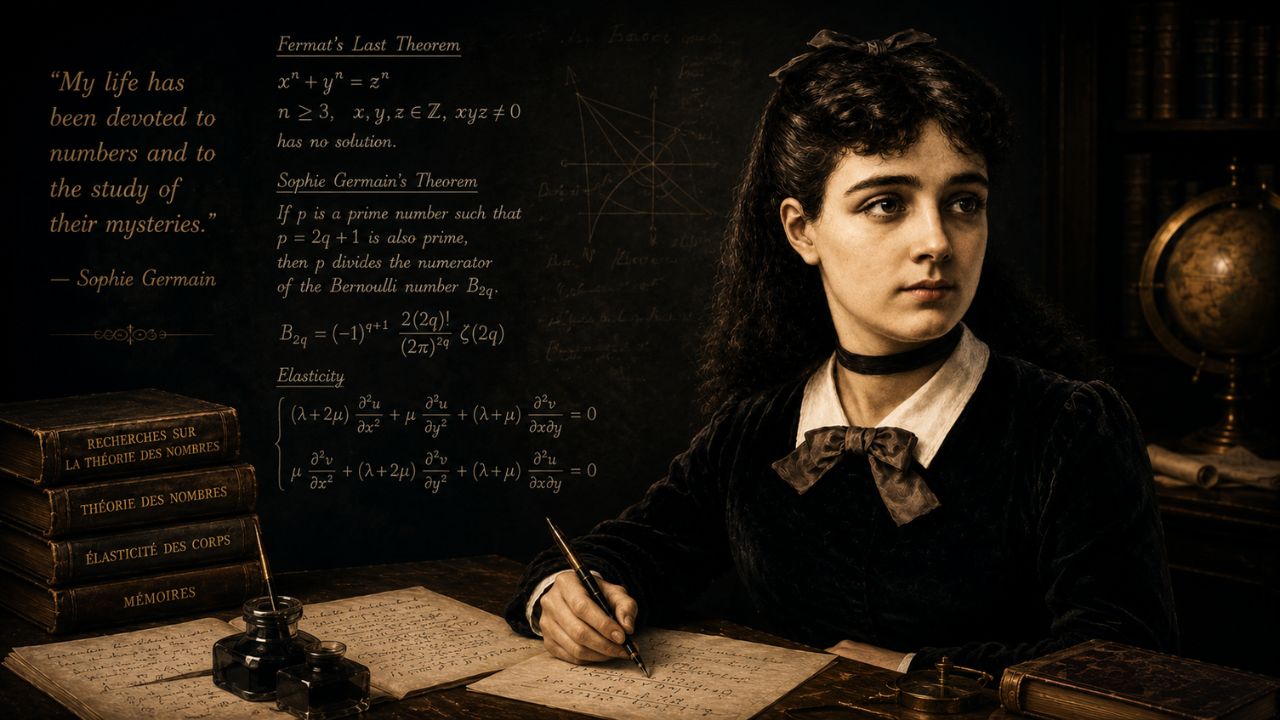
Synopsis
Sophie Germain pursued mathematics at a time when women were barred from formal scientific education. Teaching herself from borrowed lecture notes, she adopted the male identity ‘Monsieur LeBlanc’ to exchange ideas with Europe’s leading mathematicians, including Carl Friedrich Gauss. This documentary explores her pioneering work on Fermat’s Last Theorem, her prize-winning theory of elasticity and the extraordinary determination that allowed her to leave a lasting mark on mathematics despite relentless discrimination.
Why This Matters
Modern engineering still depends on the mathematical foundations Sophie Germain established while studying elasticity, and her ideas in number theory continue to influence mathematical research today. Her perseverance transformed opportunities for future generations of women in science by demonstrating that brilliance cannot be limited by prejudice. Her remarkable life remains one of history's greatest examples of intellectual courage overcoming institutional barriers.
Life & Journey
Born in Paris
Studies Secretly
LeBlanc Identity
Gauss Correspondence
Academy Contest
Wins Prize
Elasticity Paper
Honorary Recognition
Death in Paris
Germain Prime
Key Takeaways
Sophie Germain secretly studies mathematics and earns Gauss's admiration despite hiding behind a male identity.
She develops pioneering ideas that advance Fermat's Last Theorem and inspire generations of mathematicians.
Her prize-winning elasticity theory becomes a foundation for modern engineering and structural mechanics.
More from MigOroEdu
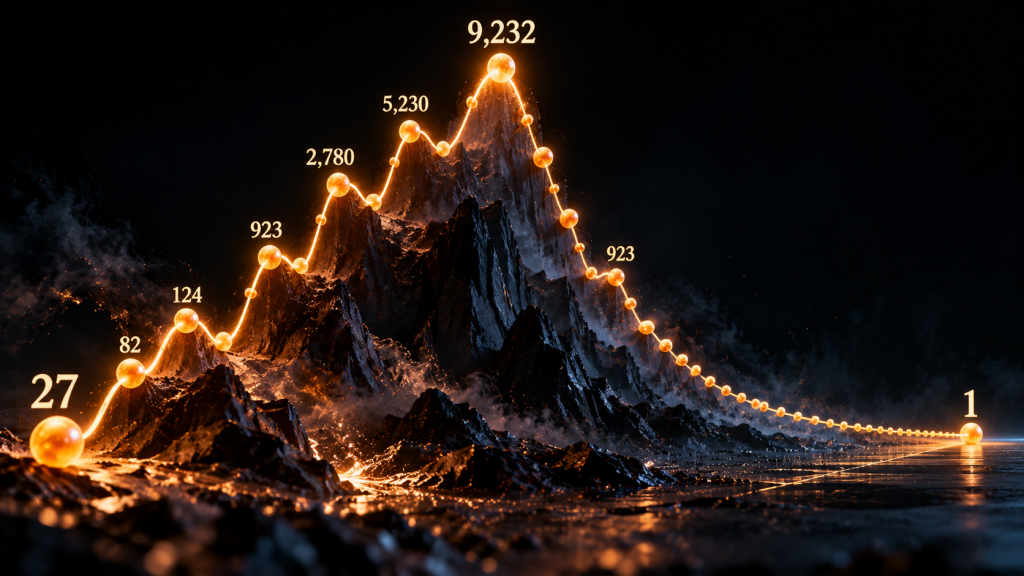
A Problem So Simple a Child Can Understand It — And Nobody Can Solve It
MigOroEdu · 15 min

The Pattern That Was True a Trillion Times — And Still False
MigOroEdu · 15 min
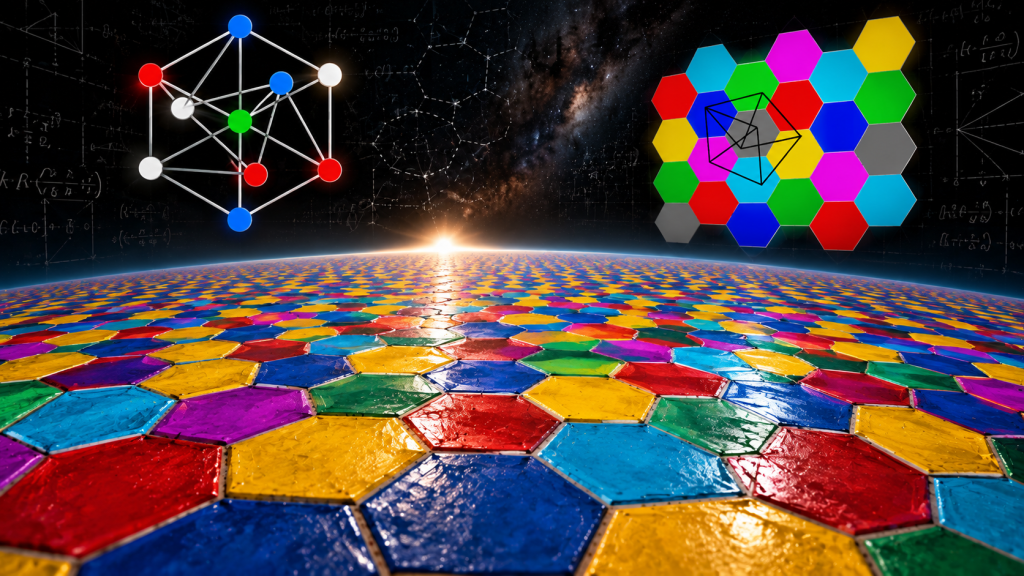
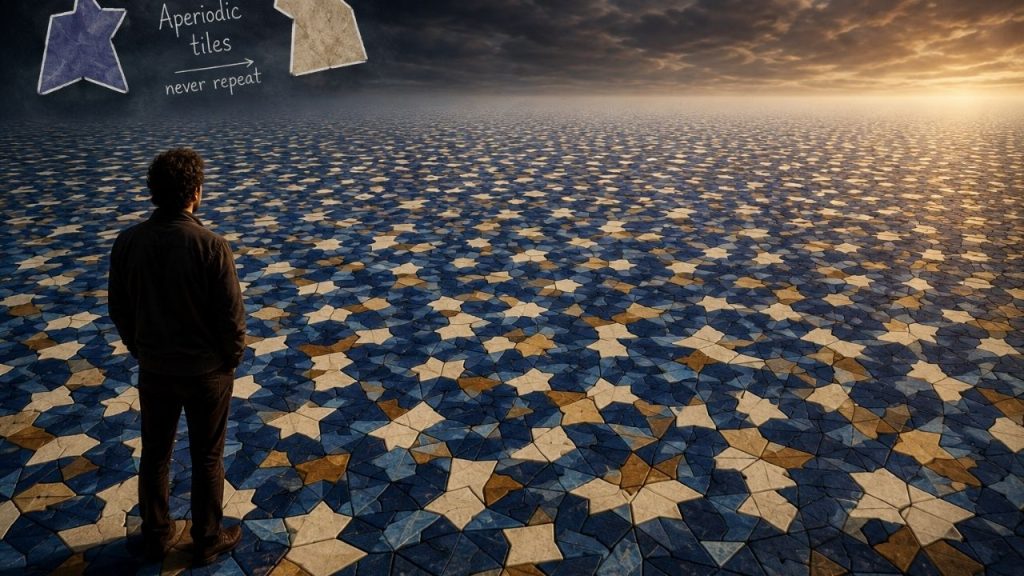
The Shape That Can Fill Space — Without Ever Repeating It
MigOroEdu · 15 min