The Scientist Who Helped Make mRNA Medicine Possible
How Drew Weissman and Katalin Karikó solved the immune problem standing between mRNA and lifesaving vaccines.
Drew Weissman spent years studying how the immune system reacts to RNA, work that led to one of modern medicine’s most consequential breakthroughs. After meeting Katalin Karikó at the University of Pennsylvania in 1997,…
▶ Watch Documentary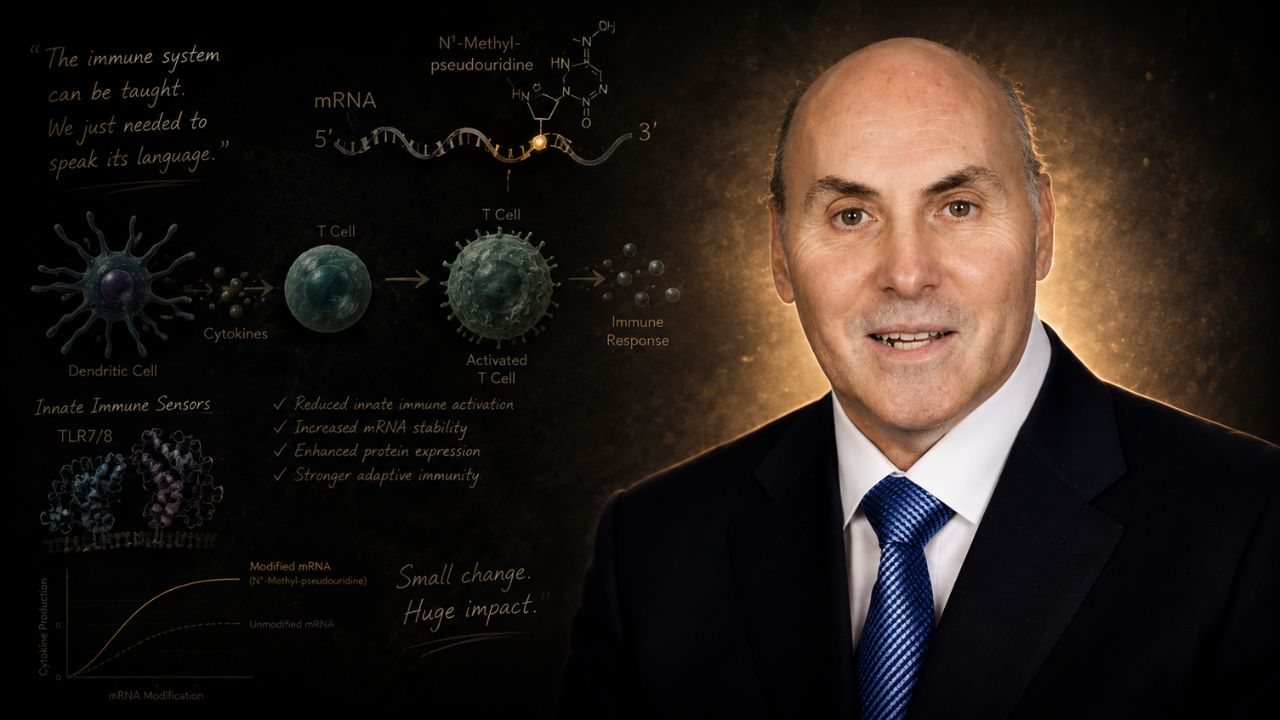
Synopsis
Drew Weissman spent years studying how the immune system reacts to RNA, work that led to one of modern medicine’s most consequential breakthroughs. After meeting Katalin Karikó at the University of Pennsylvania in 1997, he combined immunology with her RNA expertise. Their 2005 discovery showed that modified nucleosides could prevent synthetic mRNA from triggering damaging inflammation. Later work improved protein production and helped establish the platform behind the Pfizer-BioNTech and Moderna COVID-19 vaccines.
Why This Matters
The rapid arrival of COVID-19 mRNA vaccines was not an overnight invention. It rested on decades of basic research into why synthetic RNA provoked the immune system and how that response could be controlled. Drew Weissman's collaboration with Katalin Karikó solved a fundamental biological obstacle and helped turn mRNA into a practical therapeutic platform. Their story shows how persistence, complementary expertise and seemingly narrow laboratory questions can ultimately transform global medicine.
Life & Journey
Born in Lexington
Graduates Brandeis
MD-PhD Completed
NIH Research Begins
Joins Penn Faculty
Meets Katalin Karikó
Modified mRNA Breakthrough
mRNA Translation Improved
COVID mRNA Vaccines
Nobel Prize Medicine
Key Takeaways
Weissman's immunology expertise revealed why laboratory-made mRNA could trigger damaging innate immune responses.
With Katalin Karikó, he showed modified nucleosides could make therapeutic mRNA much less inflammatory worldwide.
Their discoveries became foundational to nucleoside-modified mRNA platforms used in major COVID-19 vaccines today.
More from MigOroEdu
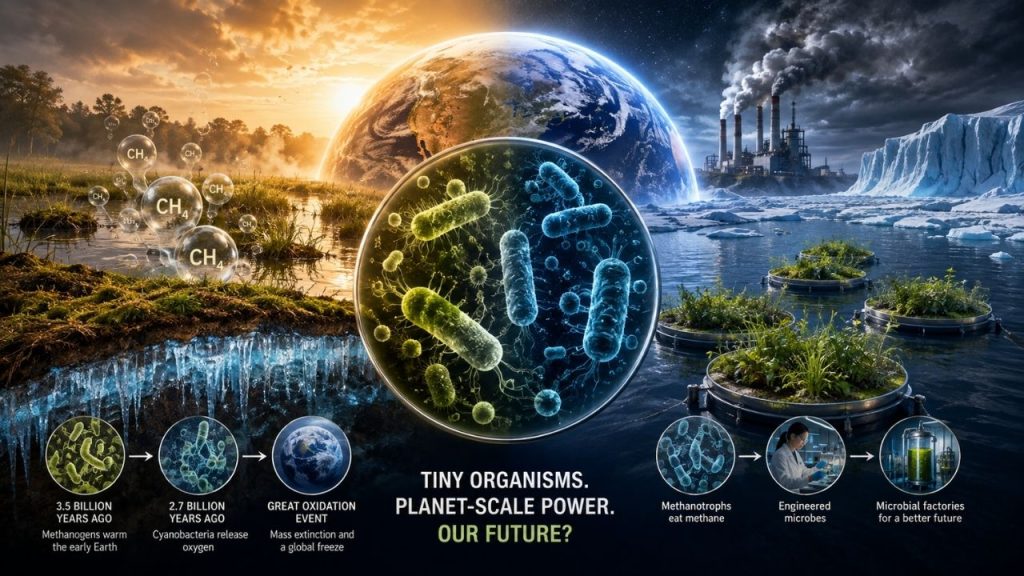
Earth Has a Secret Climate Engineer — And It Isn’t Us
MigOroEdu · 15 min
Luis Caffarelli
MigOroEdu · 15 min
Alain Aspect
MigOroEdu · 15 min
László Lovász
MigOroEdu · 15 min